
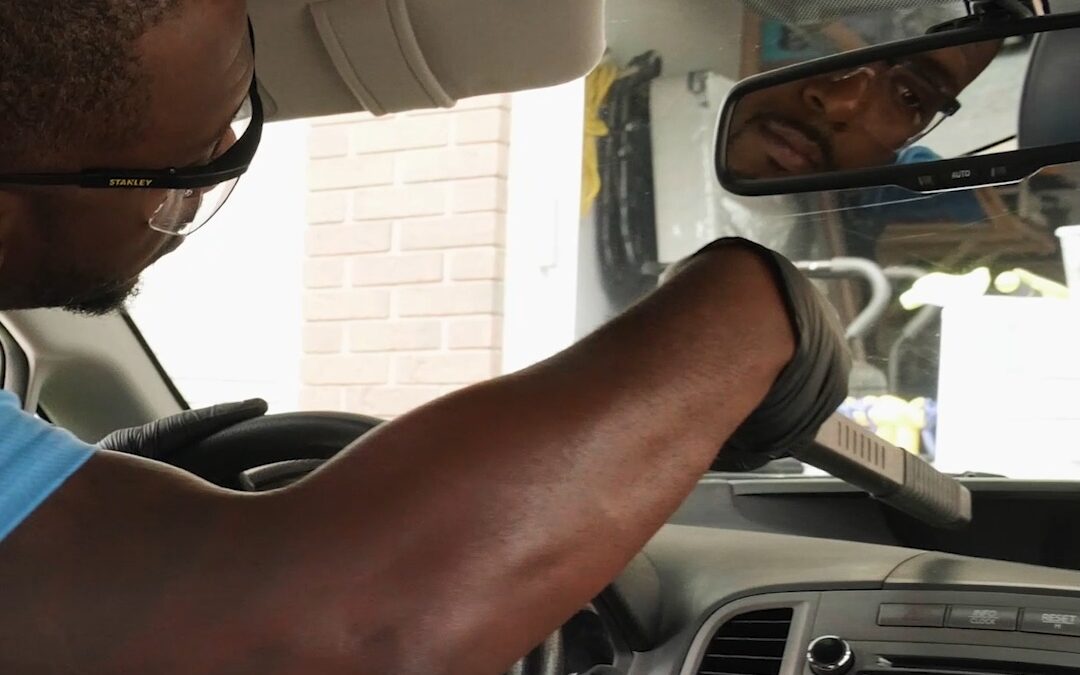
Most professional services rely on a process. You develop a system, refine it over time, and eventually learn the most efficient way to get consistent results. At David’s Detailing, efficiency usually means approaching every vehicle with a proven method: assess the condition, identify the right tools and products, and work strategically from top to bottom.
But every once in a while, a vehicle shows up that makes the usual process almost irrelevant.
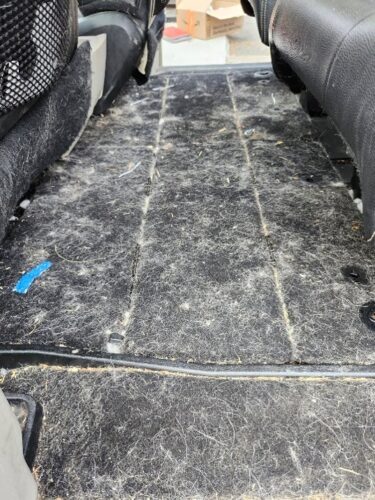
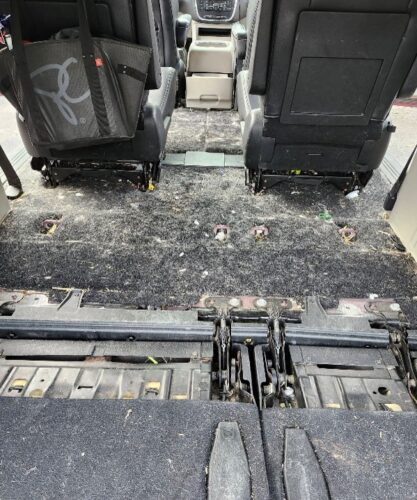
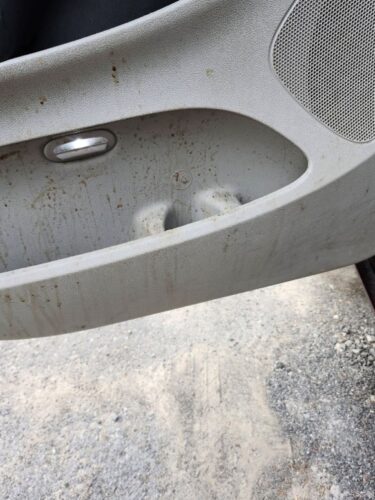
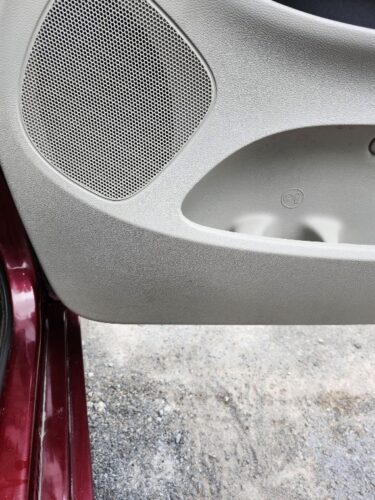
During a recent Business by Referral presentation, I walked our members through one of those jobs: a heavily used minivan belonging to someone involved in dog rescue. We’re talking years of dog hair, spills, food, dirt, and general wear accumulated throughout the interior. I should note that this was a vehicle other detailers had already turned away; it was simply too daunting for them to take on. It was exactly the kind of situation where experience matters more than simply following a checklist.
Start With an Assessment
Before I even pick up a tool, I have to look at what I’m dealing with. That means examining the amount and type of debris, identifying stains, checking for odors, and determining which areas require the most work. Even something as simple as determining whether debris is dry or sticky can completely change my approach.
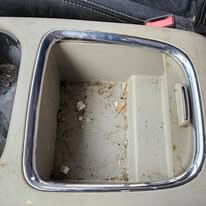
Whenever possible, I prefer to remove material while it is dry. “If you put something wet on dirt, you’re just creating mud,” I often say. Adding moisture too early can spread debris, push contaminants deeper into fabric, and ultimately create more work. Before reaching for cleaners or a steam machine, I try to vacuum, brush, or loosen as much material as possible.
When the Normal Process Stops Making Sense
On a typical vehicle, I work from the top down. Dust and debris from dashboards and consoles naturally fall toward the floor, so cleaning top-to-bottom prevents me from having to redo work.
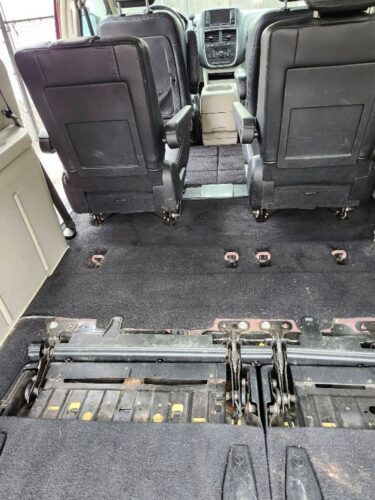
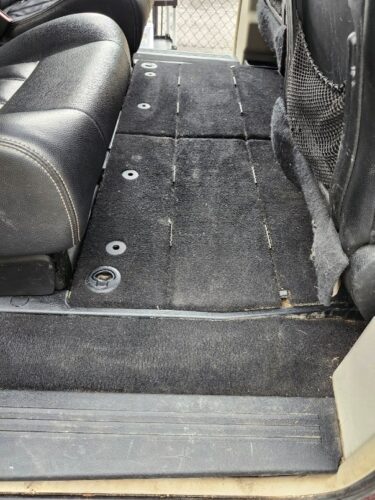
This minivan was different. The sheer amount of dog hair meant I had to tackle the floors much earlier. Instead of repeatedly vacuuming the same areas later, I focused first on removing as much hair as possible. That meant getting down on my hands and knees with specialty rubber tools, brushes, compressed air, and a vacuum, working through the carpets section by section.
A normal carpet might require one or two vacuuming passes. This one required three or four. At times, detailing becomes less like cleaning and more like being a contortionist, but the decision saved time later. If I can get the bulk of the hair out first, it makes everything else easier. That is efficiency—not just doing things faster, but recognizing which problem will create the most work later and solving it first.
Not Every Problem Needs the Most Aggressive Tool
Another lesson from this job was knowing when not to use a tool. Several areas were covered in sticky residue mixed with hair. I initially considered using my steam cleaner, but introducing too much moisture could have pushed the mess deeper into seams.
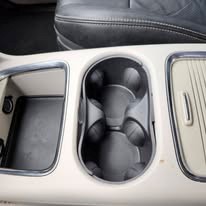
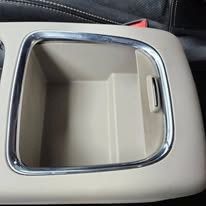
Instead, I tested simpler methods first. Some of what looked like serious stains turned out to be dried coffee and came away easily with an interior cleaner. Other areas required patience—a removable cupholder was treated with an all-purpose cleaner and left to soak. Once the cleaner had time to work, only a quick wipe and a brief burst of steam were needed.
I’m particularly careful with steam. While social media often shows detailers blasting surfaces with heat, prolonged application can damage leather and plastic. The lesson is simple: more powerful isn’t always better. Sometimes the most professional decision is using the least aggressive method that gets the job done.
The Hidden Challenge of Minivans
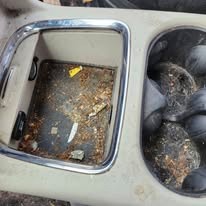
Minivans present another problem: compartments. Cupholders, storage bins, and recessed areas can hide an impressive amount of dirt. During inspection, I discovered compartments that wouldn’t even open properly because of debris lodged underneath.
Narrow grooves and seams required specialty tools—including fine picks and brushes—to remove debris a vacuum could never reach. One section alone took roughly 15 minutes just to clean the grooves. Most people would never notice the individual effort, but those details are what separate a quick cleaning from a professional detail.Knowing When “Perfect” Isn’t Realistic
With extreme pet-hair jobs, it can be impossible to remove every single hair. Early in my career, I found that frustrating. Today, experience has taught me to be realistic with customers. I remove as much as reasonably possible, but being upfront about the realities of severely contaminated interiors is key.
In this case, the customer was thrilled. She had lived with the condition for so long she couldn’t believe the transformation. For me, those moments are the most satisfying part of the job.
Protecting the Vehicle After the Detail
Cleaning is only part of the service. Once the carpets were restored, I applied fabric protection to keep future debris closer to the surface. I’ve seen the benefits firsthand with repeat clients; when protected vehicles return, dirt releases much more easily. It’s the detailing equivalent of preventative maintenance.The Jobs Other People Turn Down
The entire minivan took roughly five hours. As I mentioned, this was a job that other professionals had declined to even attempt. That doesn’t discourage me—I have yet to turn away a detailing job simply because it looked too difficult.
Instead, I view these extreme vehicles as a challenge. I make sure the customer understands that demanding work requires additional time and cost, but when they realize the scope of the work, they understand the value. A perfectly maintained BMW is fun, but with an extreme detail, there is no mistaking the transformation.
A Process Is Only Valuable If You Know When to Change It
My presentation was ostensibly about car detailing, but the lesson applies to almost any business: Systems create consistency. Processes create efficiency. But experience tells you when the system no longer fits the situation.
The toughest jobs require you to stop following the usual order, reassess the problem in front of you, and decide what will make everything that follows easier. That ability to improvise without sacrificing quality is what separates experience from simply following instructions. And for me, even a five-year accumulation of dog hair and spilled coffee is just another challenge worth tackling.
Request a Quote today on David’s Detailing website
Article and images courtesy of David, Owner | Operator, David’s Detailing